
The 50/30/20 Rule: How to Build a Budget That Works (With Examples)
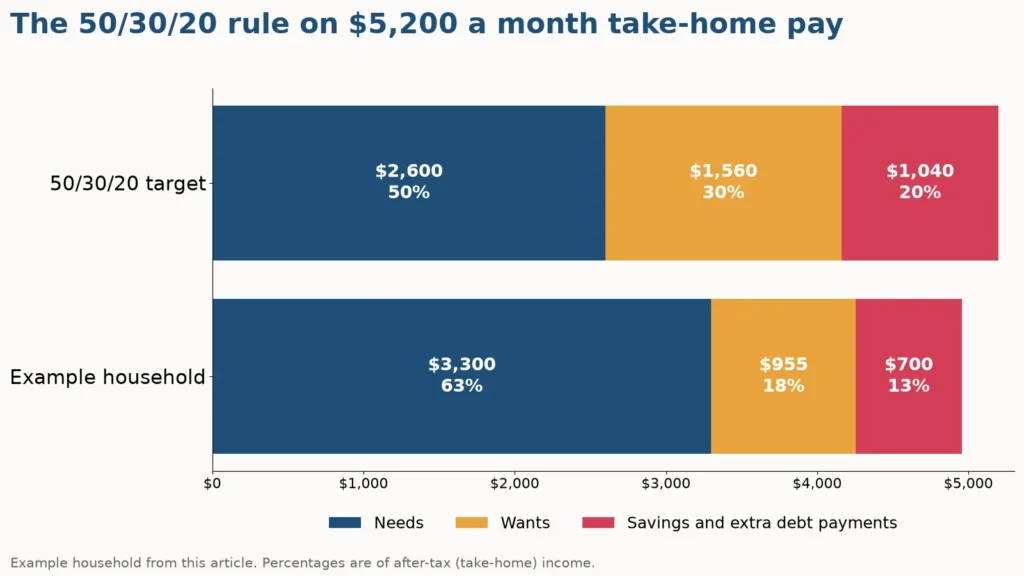
50% needs, 30% wants, 20% savings: what goes where, a table for take-home pay from $2,500 to $10,000 a month, a full example budget and BLS spending data.
How Much Water Should You Drink a Day? What the Evidence Says
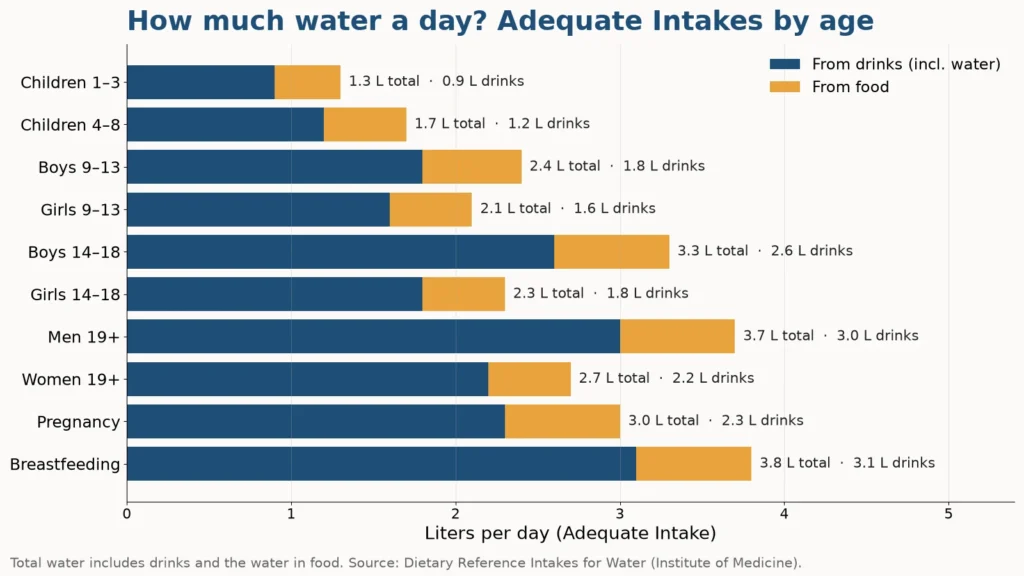
About 3.7 liters of total water a day for men and 2.7 for women, around 80% from drinks. Intakes by age, what counts, the 8 × 8 rule and what Americans drink.
BMI Chart for Adults: What Your Number Means (and Its Limits)
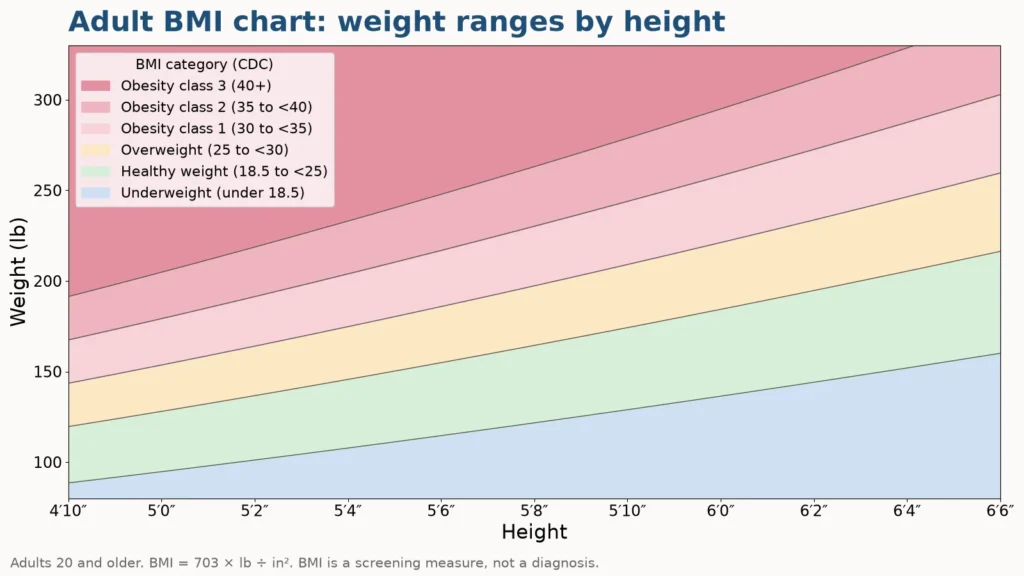
Weight ranges for every height from 4’10” to 6’6″ using CDC’s adult BMI categories, how to work out BMI in pounds or kilograms, and what BMI misses.
Compound Interest Explained: Formula and 5 Real Examples
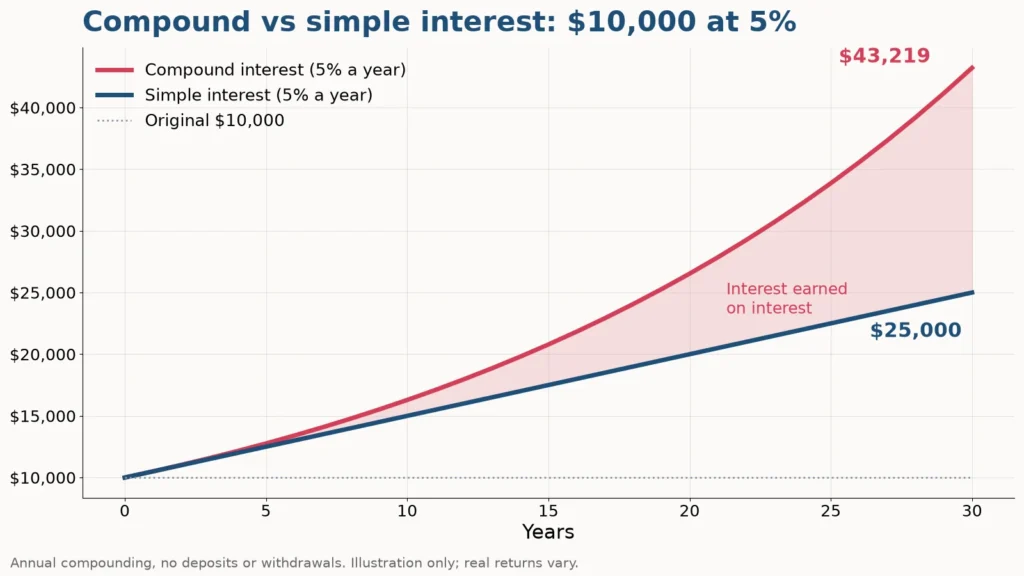
The compound interest formula worked through five examples: simple vs compound, compounding frequency and APY, the Rule of 72, monthly deposits and real 2026 rates.
Profit Margin vs Markup: Formulas, Examples and a Conversion Table
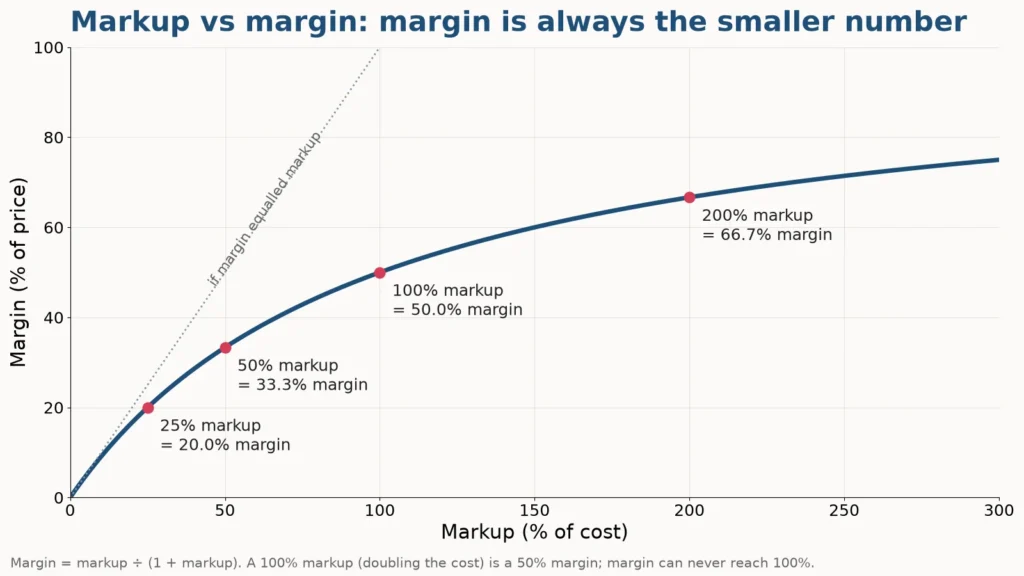
Margin divides profit by the price, markup divides it by the cost. Formulas, a conversion table, pricing to a target margin, discounts and break-even examples.
How Many Weeks and Working Days Are in 2027?
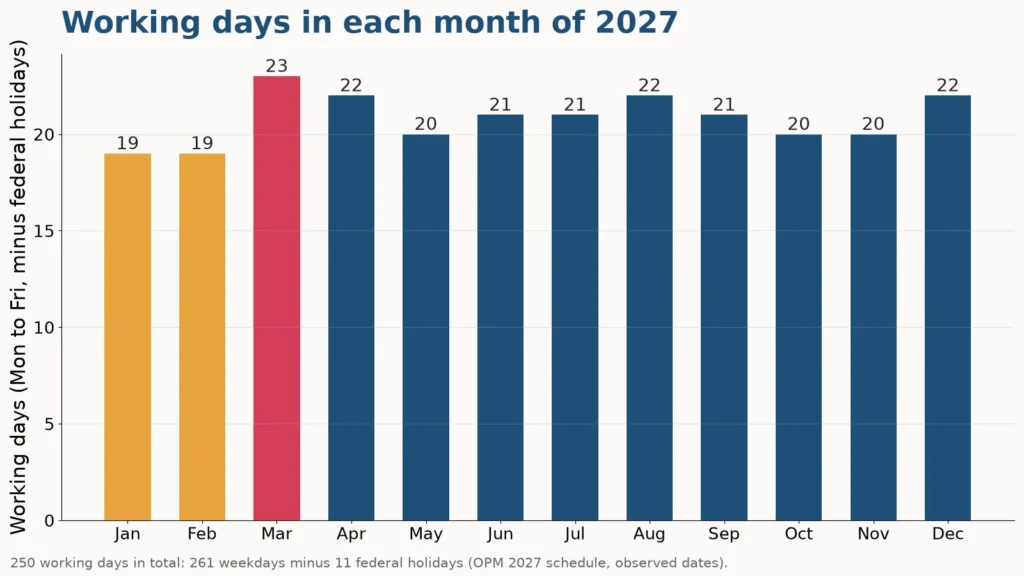
52 weeks plus a day: 2027 has 261 weekdays, 11 federal holidays and 250 working days. Monthly working days, 2,088 work hours, 53 Fridays and payday counts.
Hourly to Salary: What $15, $20 and $25 an Hour Is per Year
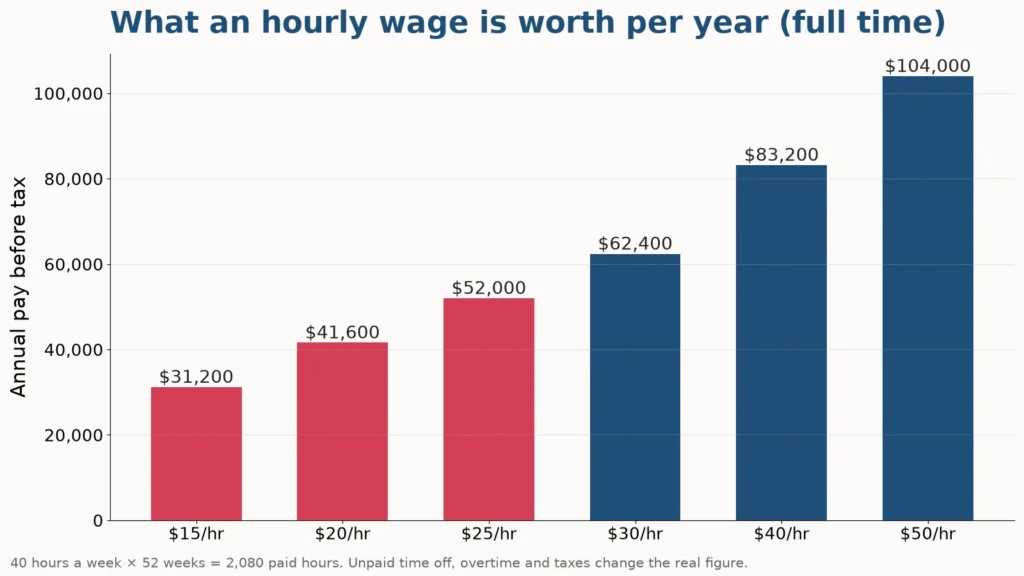
Hourly rate × 2,080 hours for full time: $15 = $31,200, $20 = $41,600, $25 = $52,000. Tables by month and paycheck, unpaid time off, overtime and 2027’s extra hours.
Pythagorean Theorem: Formula, Proof and Real-World Uses
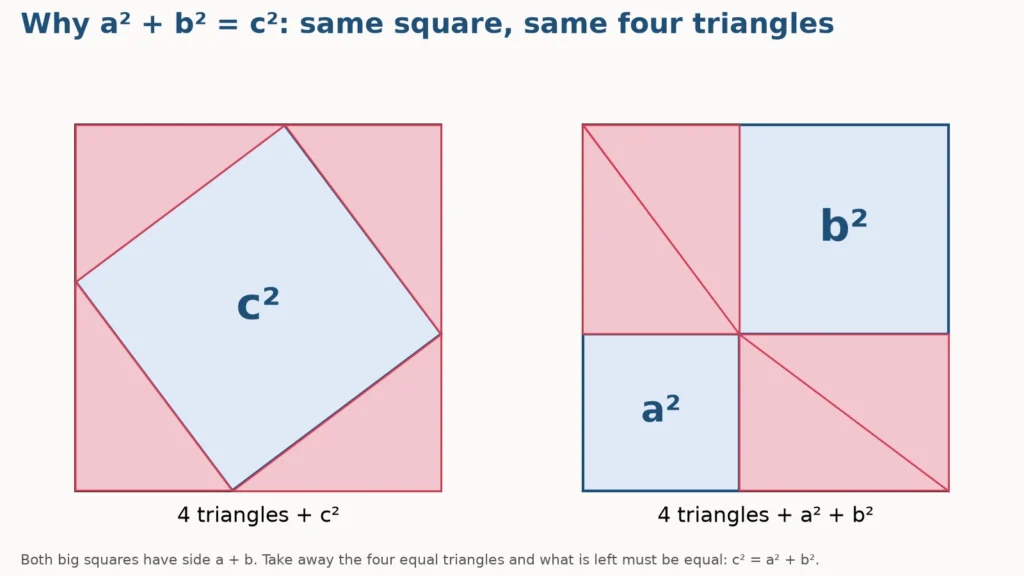
a² + b² = c² with worked examples for the hypotenuse and a missing leg, Pythagorean triples, a picture proof, and real uses from ladders to roof rafters.
Celsius to Fahrenheit: Formula, Mental Shortcut and Conversion Charts
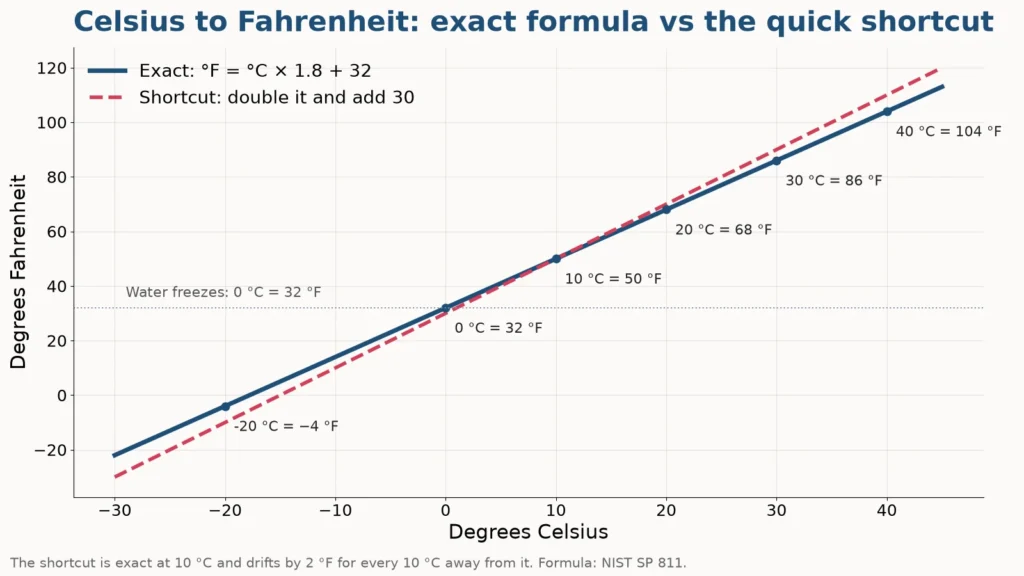
The exact formula both ways, a shortcut that is close enough for weather, why temperature changes convert differently, and oven, cooking and candy charts.
How to Convert a Decimal to a Fraction (Including Repeating Decimals)
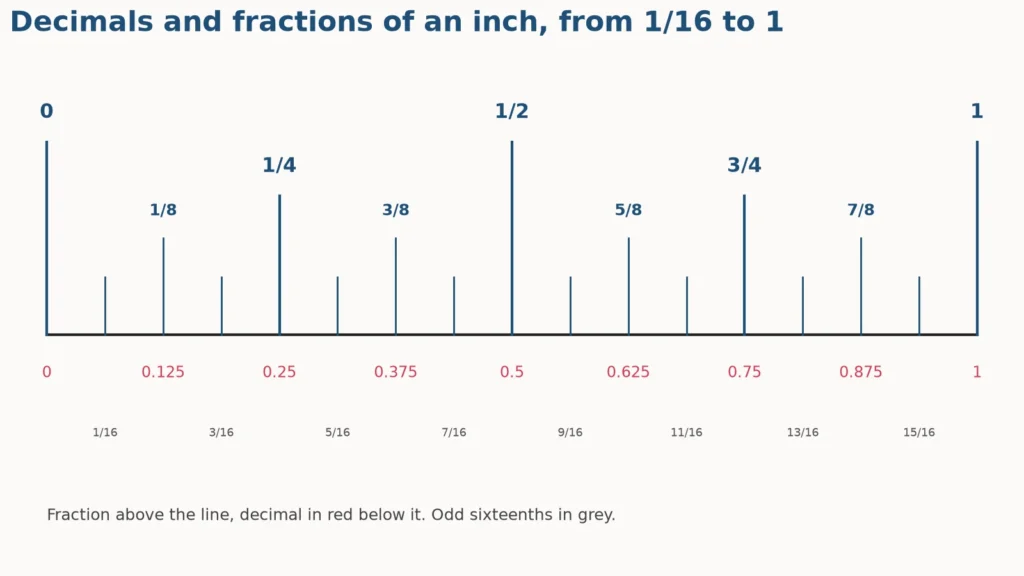
The four-step method, simplifying with the greatest common factor, the algebra trick for repeating decimals, nearest-fraction rounding and an inch fraction chart.